

Missing Tooth Consultation
The consultation considers why a tooth is missing, your priorities, oral health and replacement alternatives. An implant is only one option and may not be appropriate for everyone.
Dental Care · Healthy smiles
Understanding Modern Tooth Replacement Options
A dental implant is one possible way to support a replacement tooth, but treatment involves careful planning and a surgical stage. General health, gum condition, available bone, smoking and other individual factors can affect suitability, healing and long-term maintenance.
Request an appointment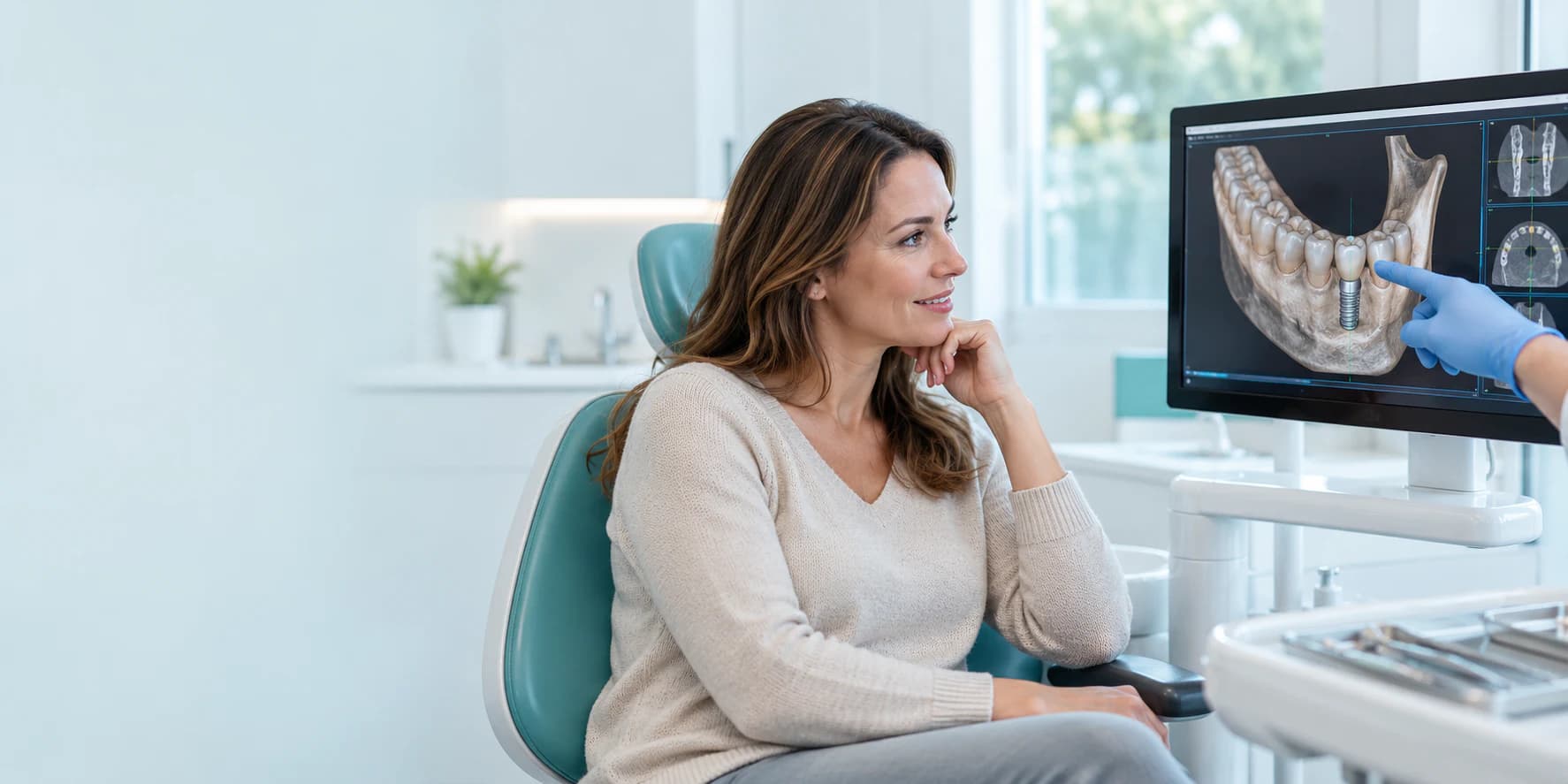
Proposed care information
These six categories are presented for clinician and owner review. Availability and individual suitability are not confirmed until assessed by the clinic.
The consultation considers why a tooth is missing, your priorities, oral health and replacement alternatives. An implant is only one option and may not be appropriate for everyone.
Assessment may include examination, medical and dental history, imaging and review of the intended restoration. These findings guide whether further investigation or referral is appropriate.
Healthy supporting tissues and adequate bone are important considerations. A clinician evaluates gum health, bone dimensions, nearby structures and factors that may affect healing.
If suitable, an implant fixture is surgically positioned in planned bone. The precise approach, anaesthesia, risks, alternatives and healing instructions depend on the individual treatment plan.
After appropriate healing and review, a connecting component and custom restoration may be considered. Fit, bite, appearance and access for cleaning are important parts of restorative planning.
Implants and surrounding tissues require daily plaque control and professional monitoring. Cleaning methods, recall intervals and risk-factor management should be individualized.
A calm, clear process
Discuss the missing tooth, your health, priorities and non-implant replacement options.
Teeth, gums, bite and available bone are assessed, with imaging considered only when clinically justified.
The proposed surgical and restorative stages, healing, risks, alternatives and uncertainty are explained.
If treatment proceeds, reviews and an individual home-care plan support continuing tissue health.
When to seek advice
An implant assessment may be worth discussing when you have one or more missing teeth and want to understand replacement choices, including their risks and maintenance needs.
Practical information
No. Suitability depends on oral and general health, bone and gum conditions, healing factors, expectations and the proposed restoration. A clinician must assess these individually.
There is no fixed duration. Planning, any preparatory care, healing and restorative stages vary with the site and individual response.
Yes. Placement of the implant fixture is a surgical procedure. The clinician should explain the proposed anaesthesia, risks, alternatives and aftercare before consent.
Yes. Possible concerns include infection, failure to integrate, tissue or bone changes, mechanical complications and damage to nearby structures. Individual risks require professional discussion.
Daily brushing and cleaning around the implant, together with professional reviews, are important. The tools and review interval should be tailored to the restoration and your risk factors.
Clinical wording reviewed against general patient guidance from ADA MouthHealthy implant guidance. These links do not confirm services offered by V.R. Clinics.
Appointment request
Verify your mobile and request a preferred time. Clinic staff must review and confirm every request.